How Your Floor is Compromised After a Storm, and What You Can Do to Save It
By John Taylor
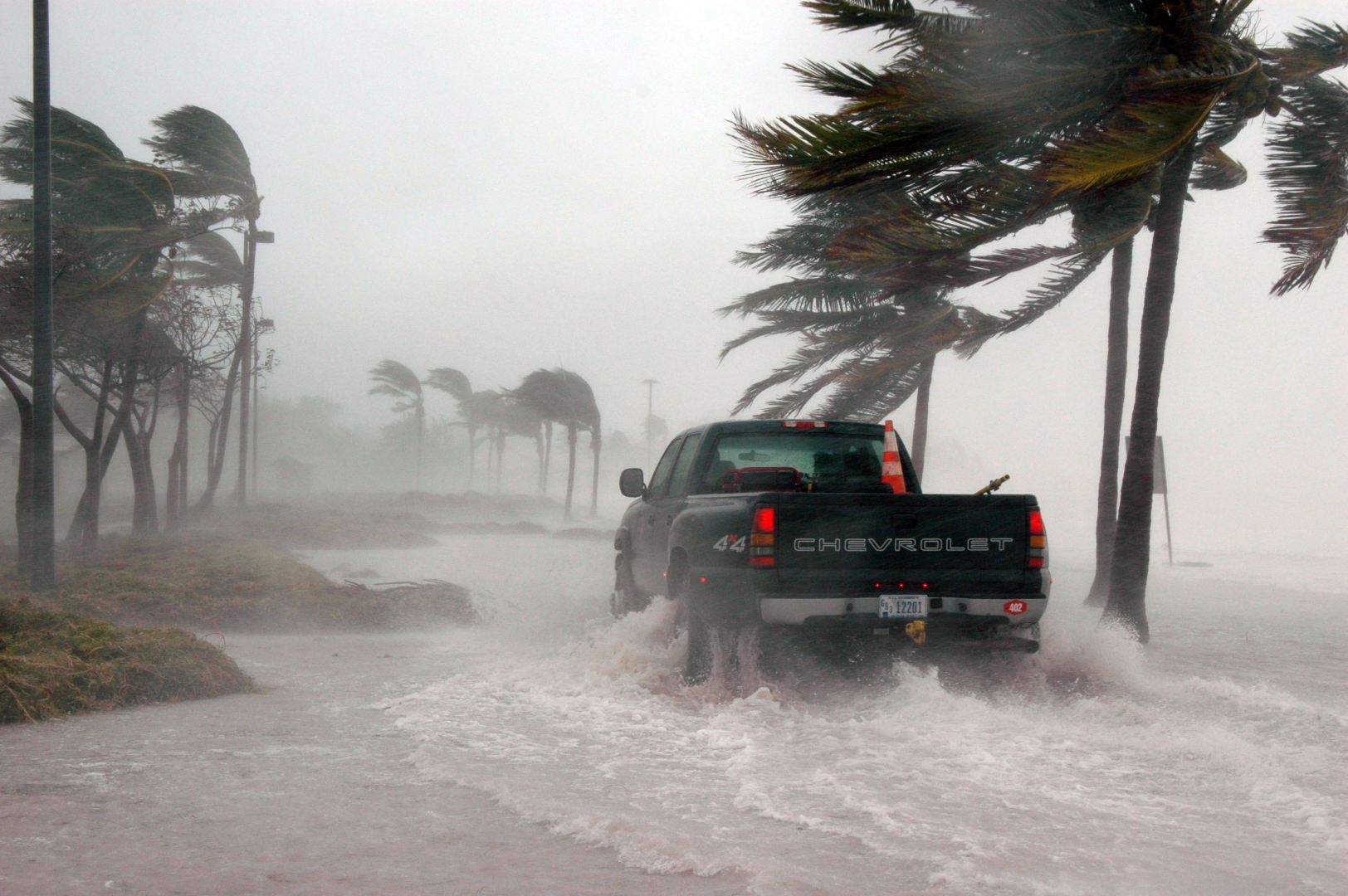
Hurricane season is here, and there are many things Southwest Florida residents need to be prepared for before, during and after these devastating storms. One thing many people overlook, and which can be quite costly, is the integrity of their flooring. Homeowners may think that because water did not breach the interior of the home during the storm, the flooring is safe, and there’s no need to worry. That may not be the case. If power is lost for a extended period after a storm, damage may occur.
Laminates, vinyl, hardwoods, etc., could be compromised, leading to warranties being voided and resulting in large out-of-pocket expenses. So how does the floor get damaged? It's all thanks to the word we hear all too often here in Florida: humidity. Don't worry, though: the experts at Taylor Carpet One Floor & Home have answers to all your flooring questions.
Here’s How High Humidity Can Affect Your Flooring & How to Resolve It:
Laminate Flooring
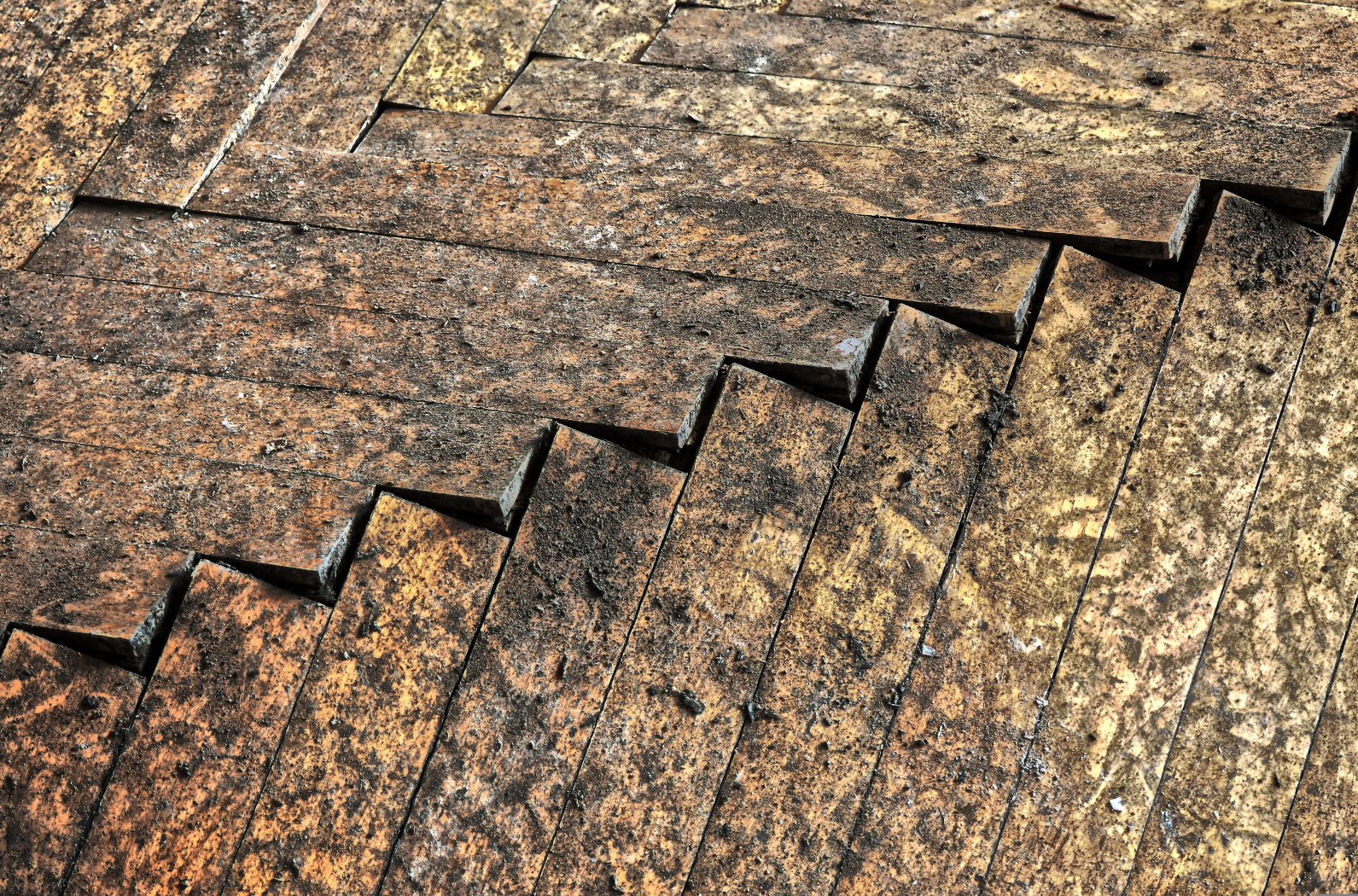
Wood-look laminate flooring is made by fusing various layers. While high-quality laminates are water-resistant, they are not completely waterproof. It is possible for moisture to affect this type of flooring. Humidity will cause wood laminates to expand and press into each other, and this can cause cupping and crowning.
Luxury Vinyl Tiles
While high humidity can affect most kinds of flooring solutions, luxury vinyl tiles (LVTs) are a great option as they are completely waterproof. They don’t face damage when exposed to moisture spills or damp air. What can affect luxury vinyl tiles, however, is when they’re installed above concrete that contains moisture. This moisture can cause a chemical reaction that degrades the LVTs over time, causing damage. Concrete should always be tested for moisture levels, and measures must be taken to prevent any moisture from contacting the LVT installation.
Engineered Hardwood
Many people think that traditional hardwood is the ideal type of wood flooring for their home; however, when it comes to the humid climate here in the Sunshine State, engineered hardwood is where it's at. Although thick and solid, traditional hardwood does not tolerate moisture well. You may also have to deal with expansion and contraction should you choose traditional hardwood floors. It’s made of a single large plank, and when the temperatures fluctuate, this can cause bowing, buckling, or even cracking. Engineered wood won’t warp because of the manufacturing process. Instead, it’s incredibly moisture-resistant and will not warp or bow when exposed to humidity. This reason alone makes engineered wood the flooring material of choice in humid climates.
Months after a storm has passed, it may seem as though things are back to normal; however, things are not always as they appear. Keep an eye out for wrinkles in your carpets, glued-down products releasing from the subfloor, tension in the floor, etc.
How to Make Your Home Less Humid
Without electricity after the storm, it is quite difficult to maintain lower humidity levels. Of course, obtaining a generator would be ideal in this situation to get the A/C up and running again, which obviously helps the floors.
If that's not possible, some other useful suggestions include:
-
Adjust your shower routine. Long, hot showers are notorious for steaming up the windows and increasing humidity in a bathroom. One way to reduce humidity is by taking shorter and/or cooler showers.
-
Swap out house plants. Some house plants can add moisture to the air through evapotranspiration. This is the process of water moving from the roots to the pores in the leaves, where it evaporates into the air. Water can also evaporate into the air from exposed soil.
-
Use rock salt, calcium chloride (the substance used in DampRid), activated charcoal or even baking soda to remove moisture.
Extended periods without electricity and high humidity can cause significant damage to your flooring if not addressed promptly. By taking proactive measures to control humidity levels, clean and disinfect affected areas, and repair any damage, you can restore the integrity and appearance of your floors and maintain a healthy indoor environment.